The Paradigm Shift Toward Embodied AI
Seminar for Comprehensive Competency Cultivation
HSS118 · W02 · DGIST
2026-09-04
About me

Yunsung Lee
WoRV: World Models for Robotics and Vehicle Control
Robotics research lab at Maum.AI
Co-instructor: Chris Choi, CEO of Maum.AI
closing keynote on Dec 4
![Maum AI]()
Picking up from last week
- Last Friday (Aug 28): Special lecture on AI
- This course: one semester on AI that gets a body
The semester in one picture
Attendance: two numbers
- In person: sign the sheet; the TA spot-checks at random
- Attendance and participation: 40% of the grade
- Three absences: F
- Remote Sep 11 / Nov 6: DGIST login records attendance
Essays: submitting is what counts
- Eight talks: five lectures, two guests, one closing keynote
- Reflection after each talk: 50%; submission counts; three missing = F
- Final synthesis essay: 10%; prompts and deadlines on the LMS
Ask anytime

Wooclap code ZNQKOGFapp.wooclap.com/ZNQKOGF
Questions go on the wall any time; we answer them in the last 10 minutes.
Autonomous or teleoperated?
Hands up: did Atlas move on its own?
Boston Dynamics says Trained in simulation.
Runs on its own. Atlas · May 2026 · autonomy claimed
Never said “No teleoperation.”
For comparison This is teleoperation →
 Embodied Avatar: full-body teleoperationUnitree · Nov 2025 · teleoperated · 1x speed
Moravec’s paradox (1988)
The hard problems are easy.
The easy problems are hard.
Chess fell in 1997. An AI can write your essay.
Fetching a drink held out until now.
AI is getting a body: from AI that talks to AI that acts.
Today’s route
- The problem - why easy is hard (done)
- The history - how AI learned to see and talk, 2012-2022
- The turn - why action is next, and why now
- The map - where this course goes
How AI Learned to See and Talk
2012 · AlexNet: Machines Learn to See
- ImageNet: 1.2 million labeled photos, plus two gaming GPUs
- No hand-written rules - the network learned from examples
- Within three years it beat a human at this benchmark
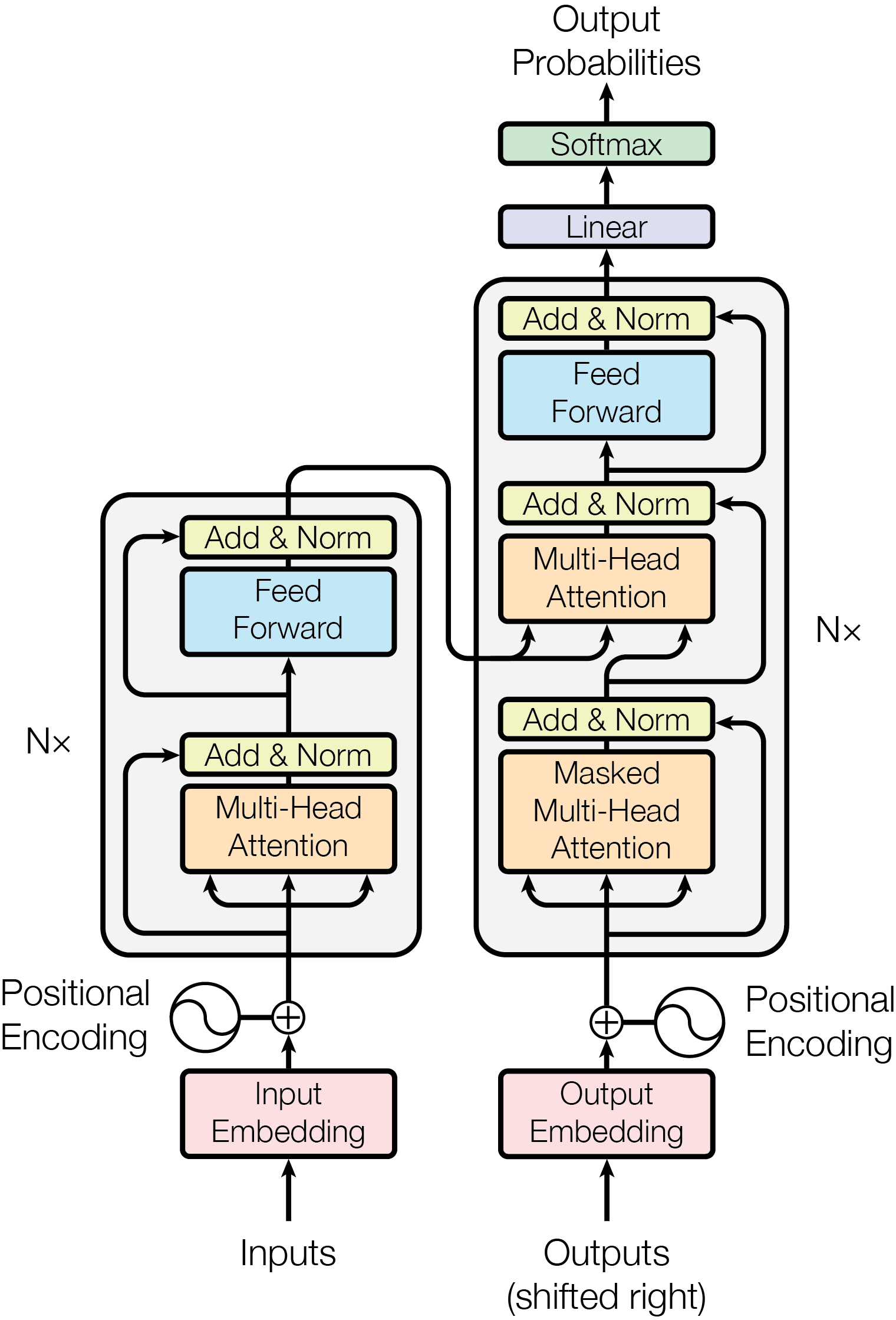
2017 · One architecture for everything
You don’t need to read this diagram. Just remember the name: Transformer.
2018-2020 · GPT: One Simple Game
Guess the next word. That was the whole training.
“Scientists discovered unicorns in the Andes
that spoke perfect ____” English.
GPT-2 continues (2019):
“The scientist named the population, after their distinctive horn, Ovid’s Unicorn.”
Fluent is not the same as true.
2020 · Bigger kept getting better
- Bigger model + more data + more compute = predictably better
- A straight line, again and again - no ceiling in sight
- That one chart became the industry’s playbook: scale up
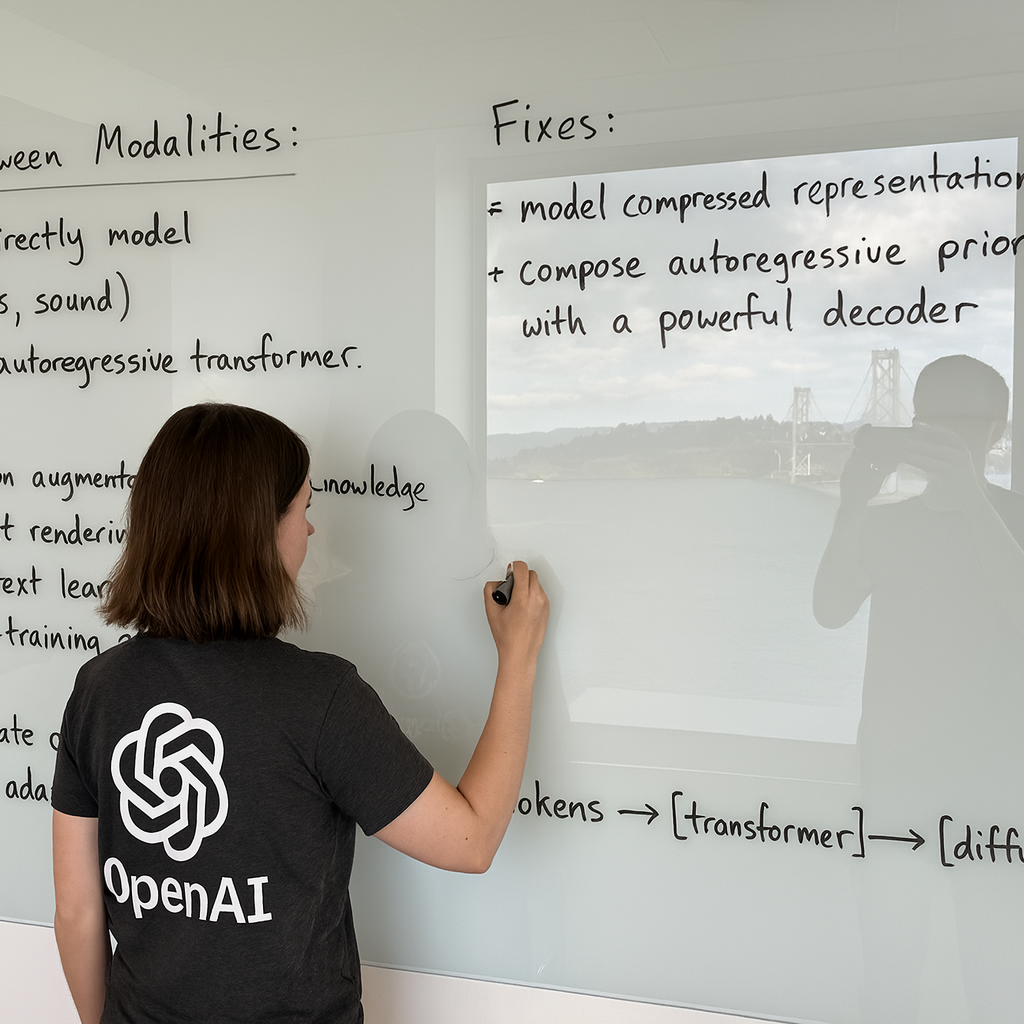
2022 · Language Meets Images
One sentence in, a painting out: “a fox in a field, in the style of Monet”
2022 · Talking AI becomes a habit
100 million users in two months.
Talking AI stopped being a demo and became a habit.
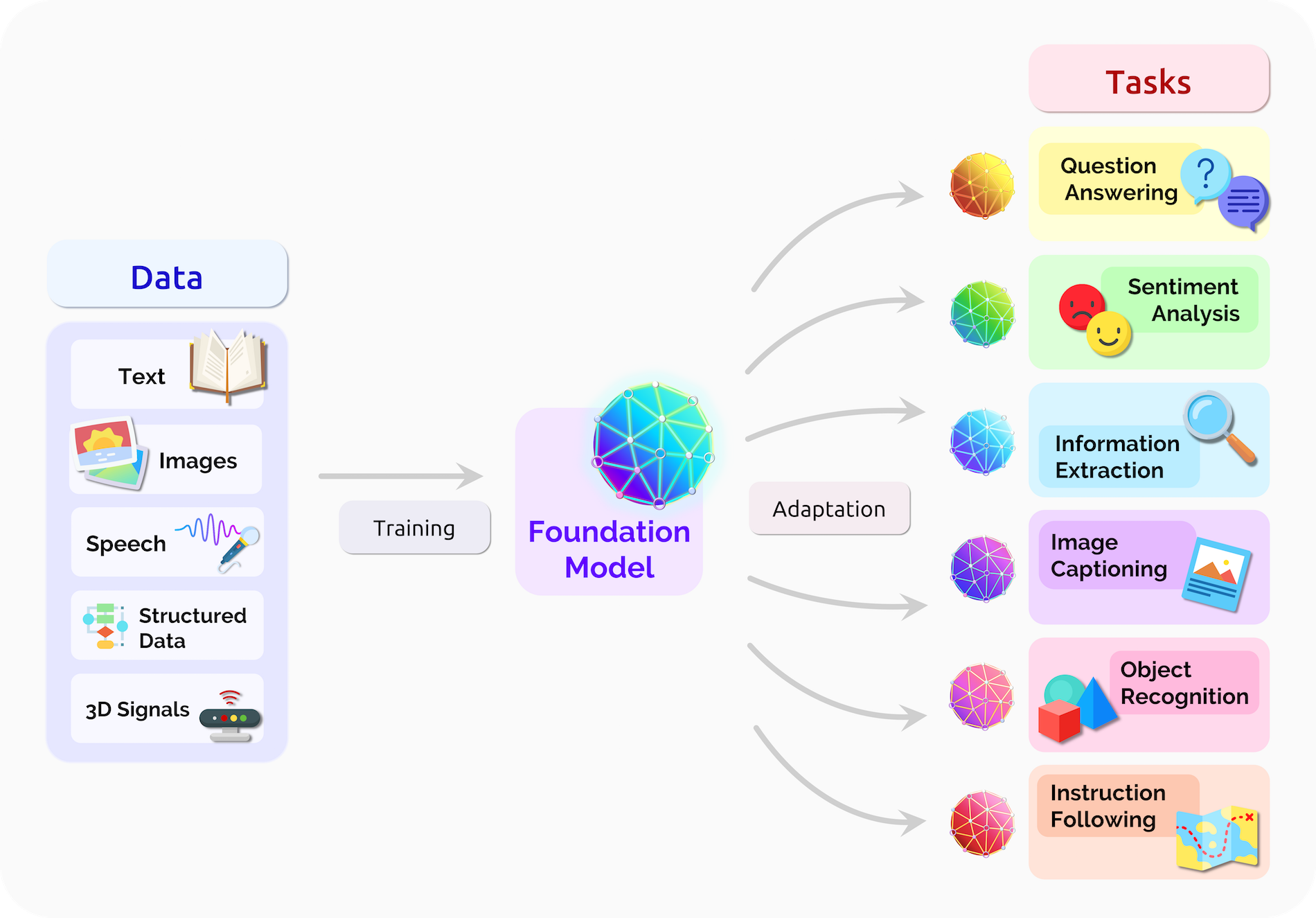
Foundation Models: Train Once, Do Many Things
- One model from varied data
- Adapt it to many tasks
- That is a foundation model
Meanwhile, Robots…
 Atlas | Partners in ParkourBoston Dynamics · Aug 2021 · autonomous · 1x speed
- Model-based control made dynamic whole-body motion possible.
- Learning systems now build on that engineering foundation.
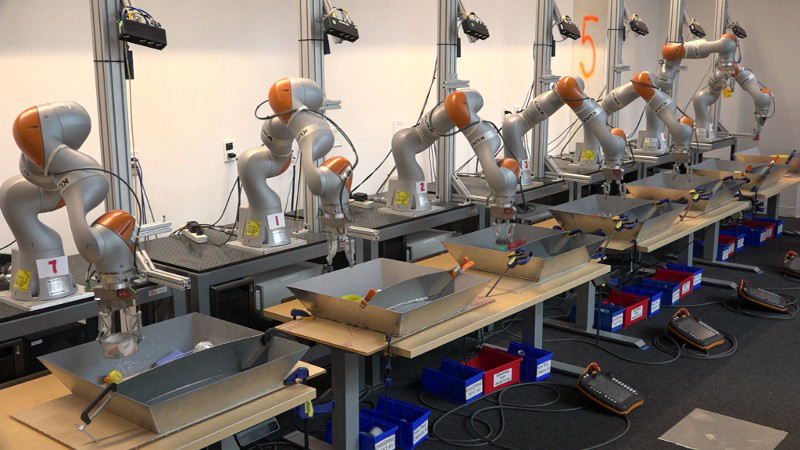
Two Waves, One Wall
Both waves hit the same wall: generalization.
What Was Still Missing
The robots of that decade were missing three things.
- Common sense - everyday knowledge of how the world works
- Language - you could not just tell a robot what you wanted
- The open world - anything beyond the scripted lab task
By 2022, talking AI suddenly had all three.
What happens when you give it a body?
Why action is next - and why now
Same recipe, new output
- Language models learn one trick: predict the next word.
- Give the model eyes, and the same trick describes images (VLM).
- Give it a body, and the same trick predicts the next action (VLA).
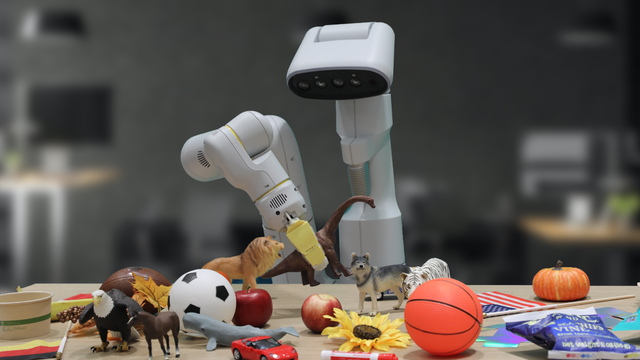
RT-2: web knowledge moves a robot arm
 RT-2: pick up the extinct animalGoogle DeepMind · Jul 2023 · autonomous · 1x speed
- “Pick up the extinct animal” - it picks the dinosaur.
- The command never appears in its robot training data.
- Web knowledge starts moving a robot arm.
What does Embodied AI mean?
Embodied AI closes the loop in one body: seeing, understanding, deciding, and acting.
From here on, we use the term Embodied AI.
Every new model bets on one of three axes
The data barrier
Action is not on the internet.
π0 folds laundry, uncutPhysical Intelligence · Oct 2024 · autonomous · 1x speed
π0.5 works across unseen homes (10x)Physical Intelligence · Apr 2025 · autonomous · 1x speed
Helix: two robots, one brain
 Helix: two robots put away groceriesFigure · Feb 2025 · autonomy not stated · 1x speed
- Two Figure robots share one learned policy (Feb 2025).
- By 2026, Figure describes Helix 02 as “fully autonomous, not teleoperated.”
CMG 2026 Spring Festival Gala (Unitree)Unitree · Feb 2026 · autonomy claimed · 1x speed
Atlas: The Beginning of Your Tomorrow (CES 2026)Boston Dynamics · Jan 2026 · autonomy not stated · 1x speed
NEO, the home robot - launch demos were teleoperated1X · Oct 2025 · autonomy not stated · 1x speed
The 2023-2026 unlock
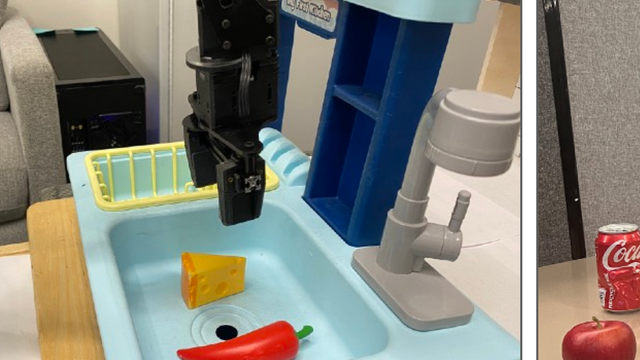
Jul 2023
RT-2
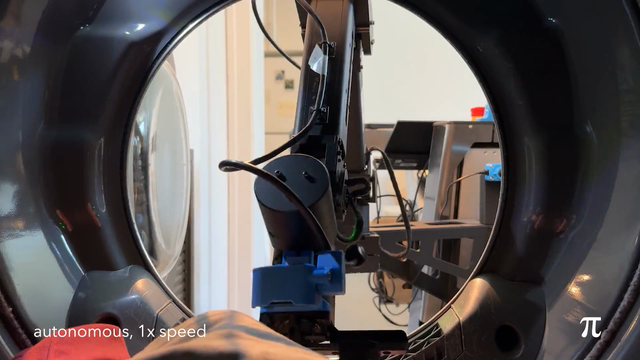
Jun 2024
OpenVLA
Oct 2024
π0
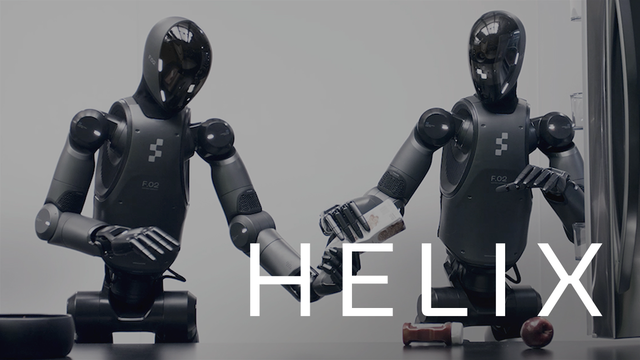
Feb 2025
Helix
Mar 2025
Gemini Robotics
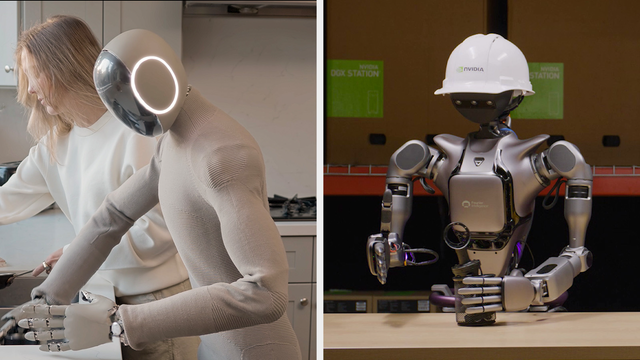
Mar 2025
GR00T N1
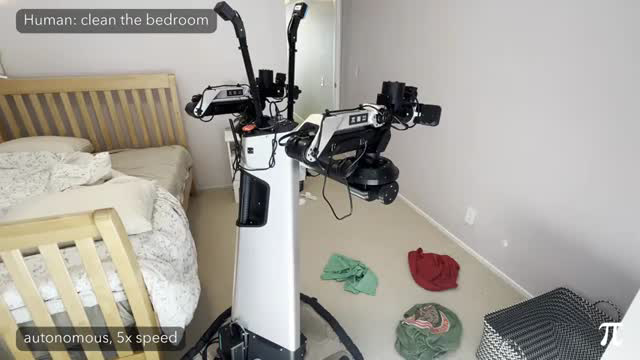
Apr 2025
π0.5
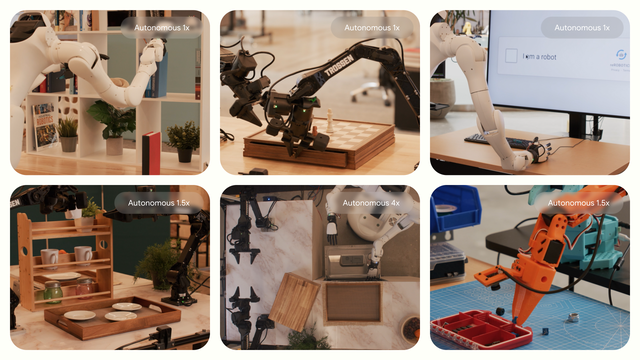
Jul 2026
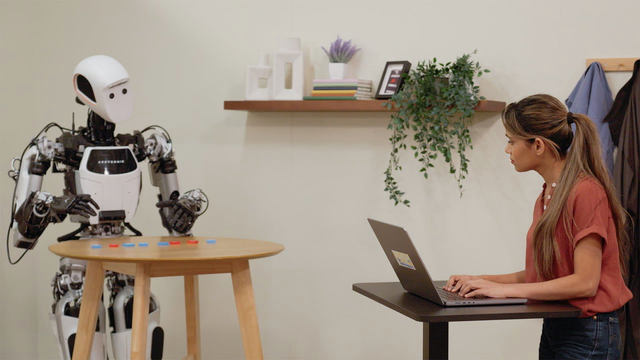
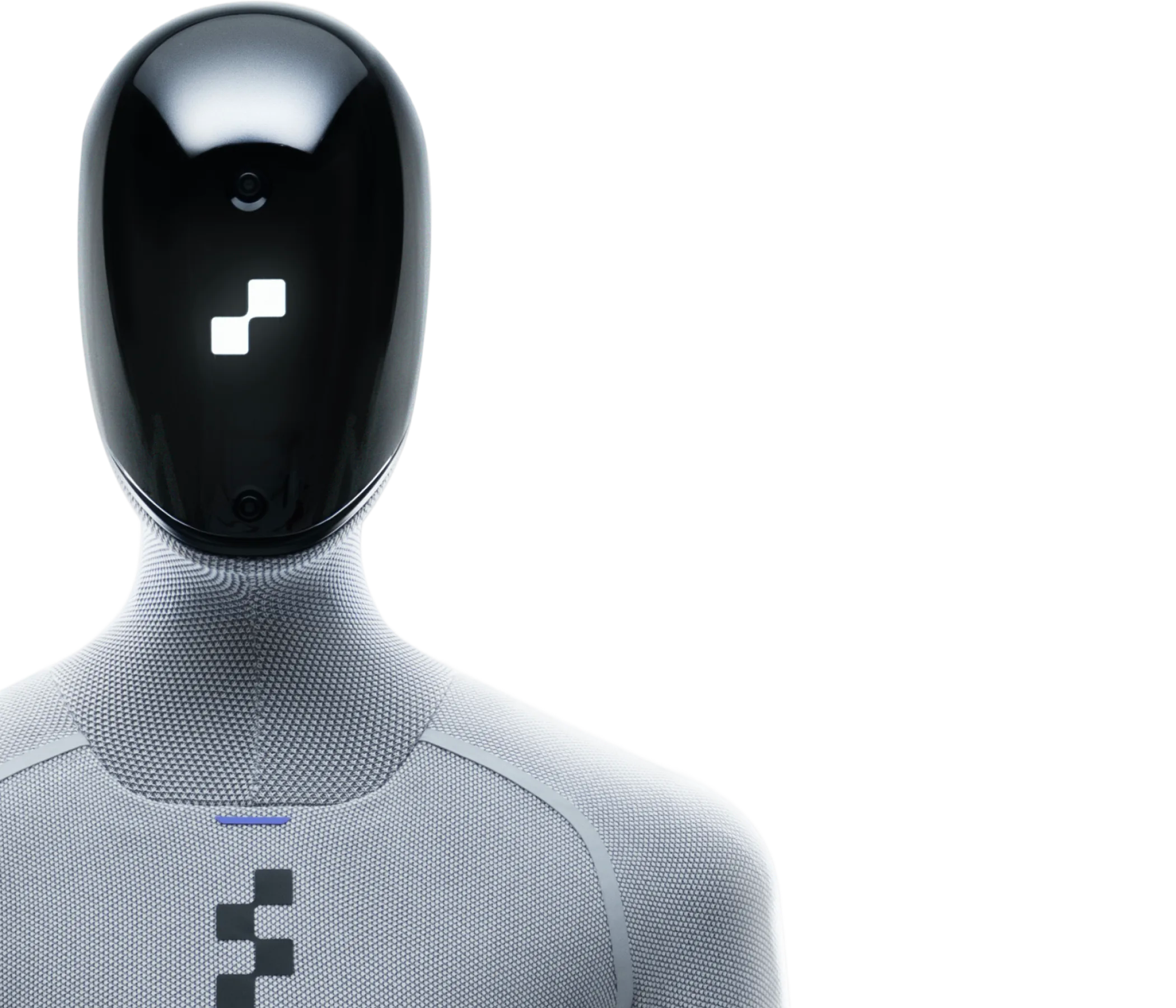
Gemini Robotics 2
Everything you just watched happened in 36 months.
The pull now comes from industry, not academia
Capital
Figure $1B+ at $39B; Skild $1.4B at $14B+; NEURA up to $1.4B.
Production
Unitree reports 5,500+ humanoids shipped in 2025; its $904M IPO rose 460% on debut. It was mainland China’s first listed humanoid maker.
Platforms
NVIDIA’s open GR00T reference humanoid and Google DeepMind’s whole-body Gemini Robotics 2 arrived in 2026.
One case from where I work
 CostNav: navigation judged by cost, in simulationWoRV · Nov 2025 · autonomy not stated · 1x speed
 In-house dual-arm manipulationWoRV · Mar 2026 · autonomous · 1x speed
Left: can a robot’s route earn its keep? Right: can two arms do real work?
From demo to deployment
- Precise contact - buttons, cables, glassware.
- Long horizons - an hour of chores without a reset.
- Unfamiliar bodies - policies still cling to their own hardware.
- Speed and safety - human pace, around actual humans.
The next question: what capability can scale?
The semester, again
Today set the question. The rest of the semester answers it.
First: how robots learn
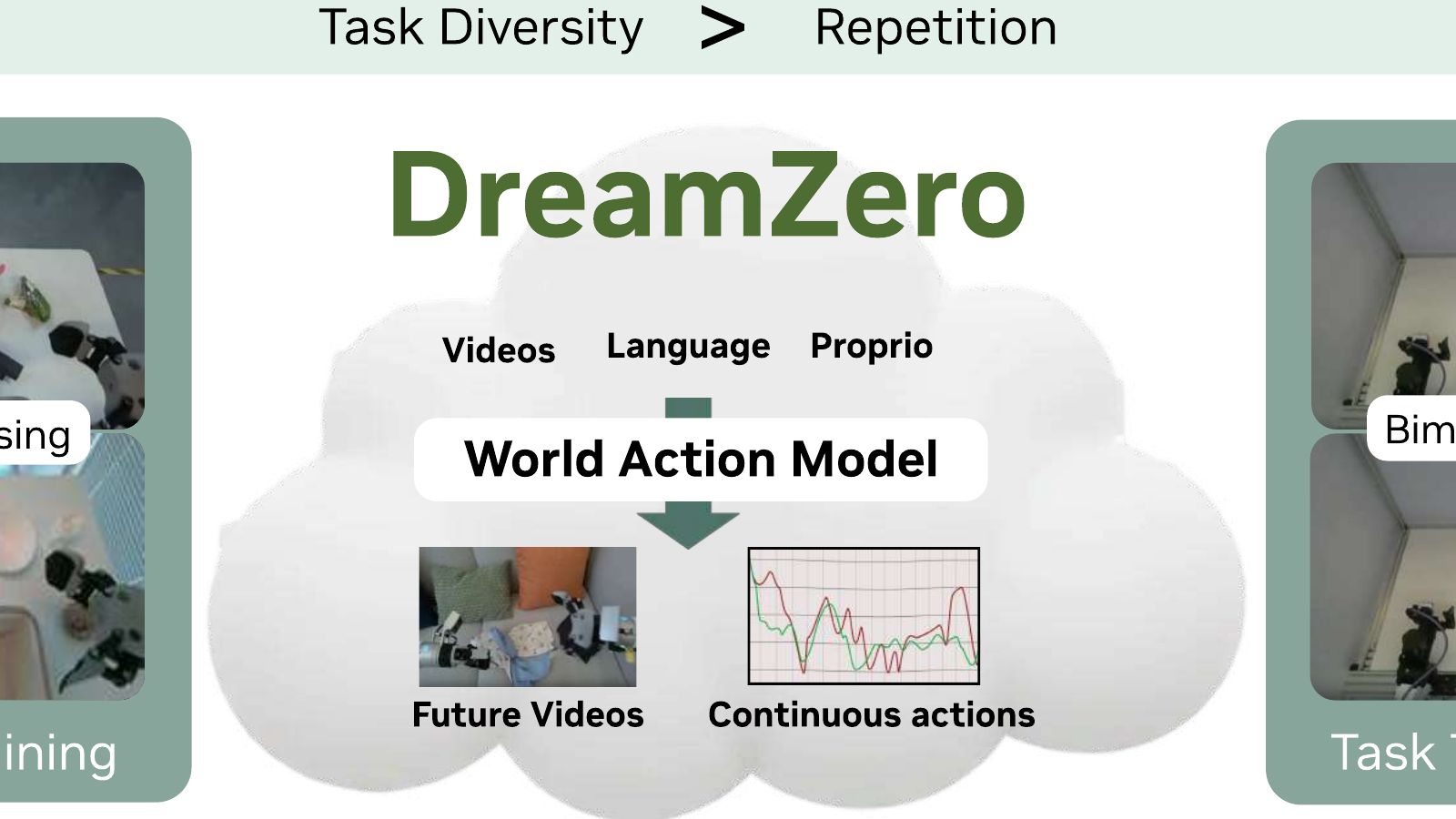
Sep 11 · Video Foundation Models and World Models
Guest: Hyeongmin Lee · Robots that learn by watching video.
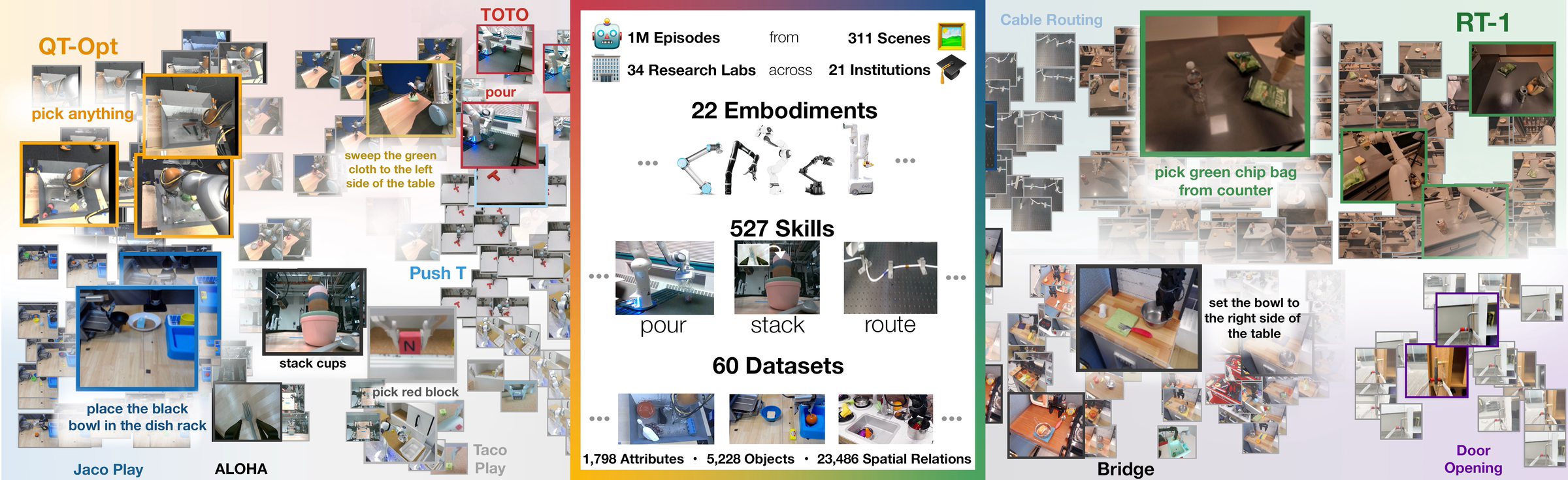
Oct 2 · Action Data
Where robot experience comes from.
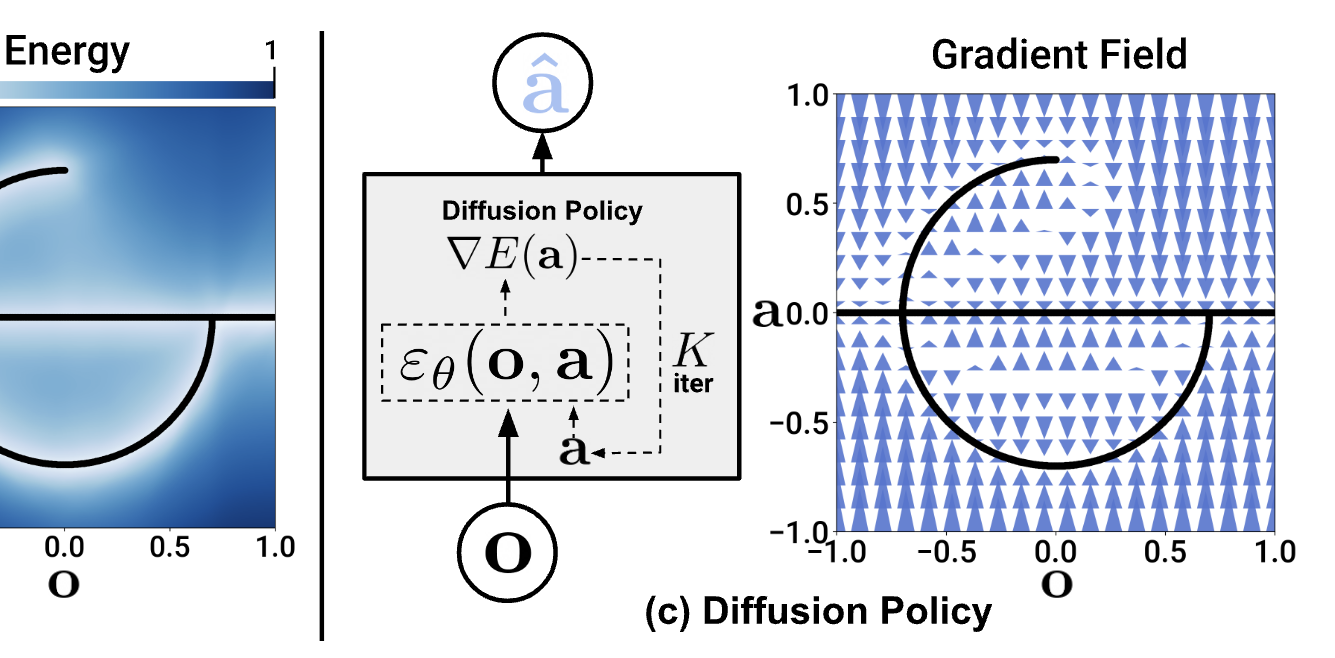
Oct 23 · Learning Methods
How demonstrations become skills.
Then: from policy to physical motion
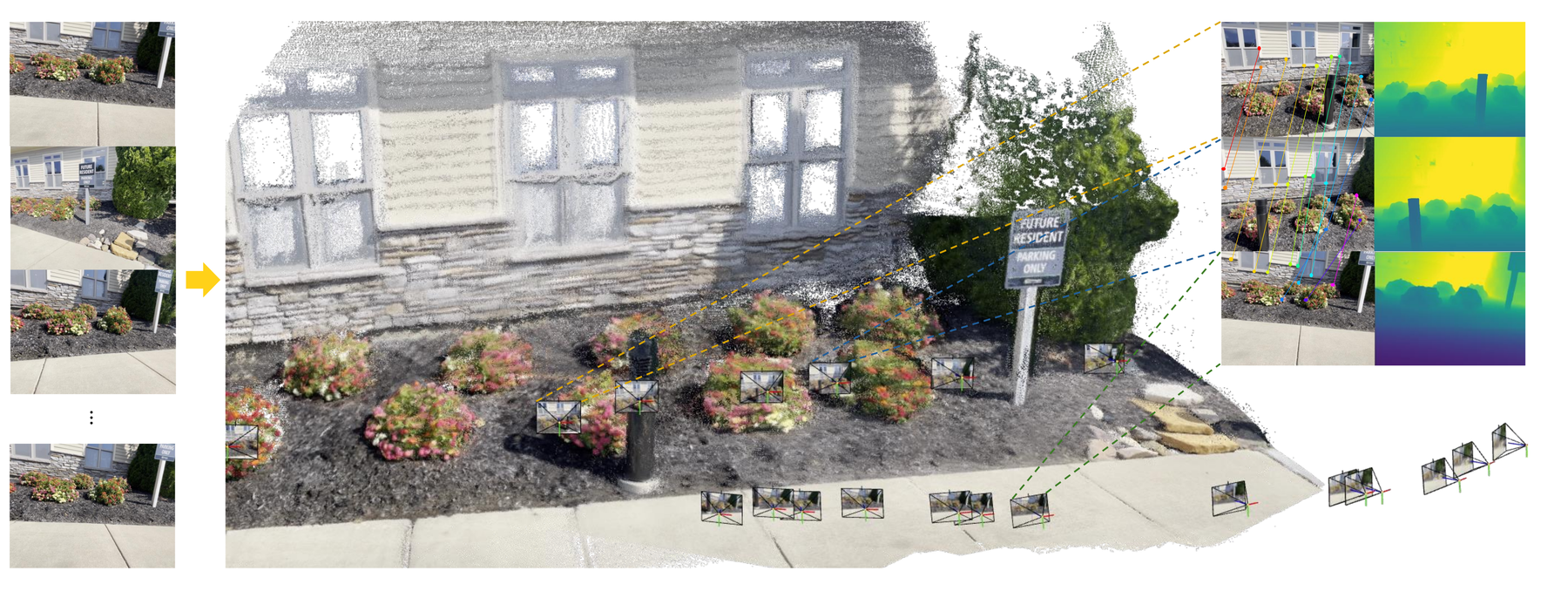
Nov 6 · Spatial AI to Physical AI
Guest: Sunghwan Hong · Machines that know where things are.
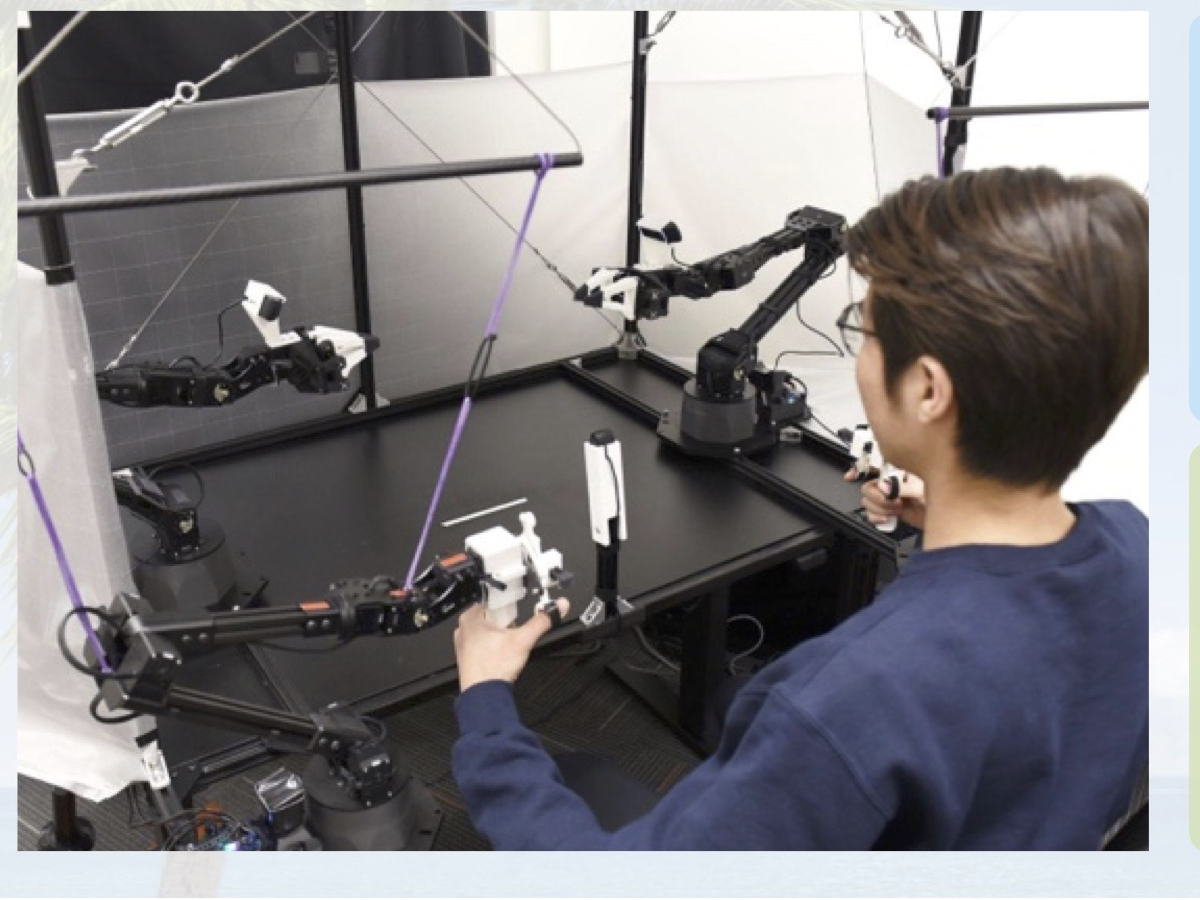
Nov 20 · Robot Hardware Special
Control and mechanics beneath learned policies.
Finally: safety and industry
Nov 27 · Ethics and Safety
What robots must never do, and who checks.
Dec 4 · Closing Keynote
Chris Choi · Physical AI as a megatrend: the view from industry.
Three takeaways
- Same recipe, new output: action.
- Data is the bottleneck: action is not on the internet.
- The next frontier: generalize and scale.
Your questions
Wooclap code ZNQKOGFapp.wooclap.com/ZNQKOGF